





10 Blood Tests Every Adult Should Consider Once a Year
- Blood tests
- Annual checkup
- Full body checkup
- Diabetes
- Thyroid
- Vitamin D
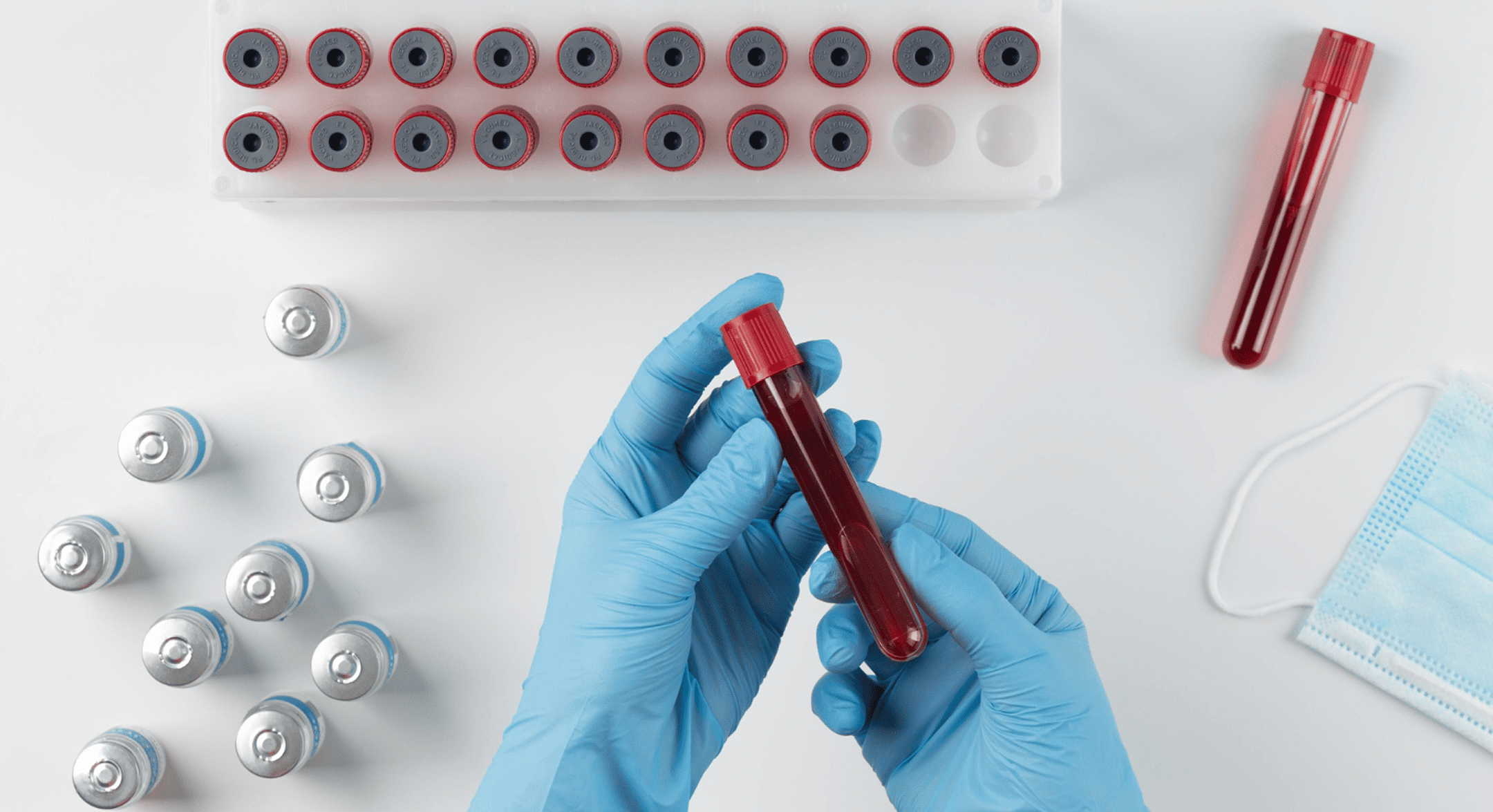
Looking after your health is not only about visiting a doctor when you feel unwell. Many common health conditions, including diabetes, high cholesterol, thyroid disorders, liver disease and kidney problems, can develop quietly without noticeable symptoms. That is why annual blood tests play an important role in preventive healthcare. They help identify potential concerns early, making treatment simpler and improving long-term health outcomes.
Annual preventive health checkups are valuable for adults of every age. Working professionals, parents, senior citizens and health-conscious individuals can all benefit from regular screening. If you are wondering which blood tests should be part of your yearly checkup, this guide explains the most important ones and why they matter.
Why Annual Blood Tests Matter
A yearly preventive health checkup allows doctors to compare your current health with previous results and identify changes before they become serious. According to the World Health Organization (WHO), early detection and timely management of non-communicable diseases such as diabetes and cardiovascular disease can significantly reduce complications and improve quality of life.
Regular health checkup blood tests also help monitor existing medical conditions, evaluate lifestyle changes and provide reassurance when everything is normal. They are one of the simplest ways to stay proactive about your health.
The Essential Blood Tests List for Every Adult
These are some of the most commonly recommended blood tests included in an annual preventive health checkup. They provide valuable information about different organs and body functions, helping identify potential health concerns early. Depending on your age, medical history, lifestyle and your doctor's advice, you may also need additional tests.
1. Complete Blood Count (CBC)
A Complete Blood Count (CBC) is one of the most commonly recommended routine blood tests. It measures different components of your blood, including red blood cells, white blood cells, haemoglobin and platelets.
This test helps identify conditions such as anaemia, infections, inflammation and certain blood disorders. It is usually included in most full body checkup packages because it provides an overall picture of your general health.
2. Blood Sugar Test
A Blood Sugar Test measures the amount of glucose in your blood at the time of testing. It helps detect high or low blood sugar levels and is commonly used to screen for diabetes or prediabetes.
Your doctor may recommend a fasting blood sugar test, which requires fasting for about 8 to 10 hours before the sample is collected. Following the fasting instructions is important to ensure accurate results.
3. HbA1c Test
Unlike a regular blood sugar test, the HbA1c Test measures your average blood sugar levels over the previous two to three months.
This test is especially useful for diagnosing diabetes and monitoring how well blood sugar is being controlled in people already living with the condition. Since it reflects long-term glucose control, fasting is generally not required.
4. Lipid Profile
A Lipid Profile evaluates cholesterol and triglyceride levels in your blood. It usually includes total cholesterol, LDL cholesterol, HDL cholesterol and triglycerides.
High cholesterol often develops without symptoms but increases the risk of heart disease and stroke. The CDC highlights that managing cholesterol through regular screening, healthy eating and physical activity is an important part of protecting heart health. Your doctor may advise fasting before this test, depending on the type of lipid assessment being performed.
5. Liver Function Test
A Liver Function Test measures enzymes and proteins that indicate how well your liver is working.
It helps detect liver inflammation, infections, fatty liver disease and damage caused by medications or alcohol. Since liver conditions can progress without noticeable symptoms, regular testing is valuable, especially for adults with diabetes, obesity, or long-term medication use.
6. Kidney Function Test
A Kidney Function Test checks markers such as creatinine, blood urea nitrogen and estimated kidney filtration rate to assess how effectively your kidneys remove waste from the body.
Early kidney disease often has no warning signs, making this one of the most important annual blood tests, particularly for people with diabetes, high blood pressure, or a family history of kidney disease.
7. Thyroid Function Test
Your thyroid gland controls metabolism, energy levels, body temperature and several important hormonal functions.
A Thyroid Function Test measures hormones such as TSH, T3 and T4 to identify conditions like hypothyroidism or hyperthyroidism. If you experience unexplained tiredness, weight changes, hair loss, or mood changes, this test may help identify the underlying cause.
8. Vitamin D Test
Vitamin D supports healthy bones, muscles and the immune system. Despite abundant sunlight, Vitamin D deficiency is common among adults due to indoor lifestyles, limited sun exposure and dietary habits.
A Vitamin D Test helps determine whether supplementation or lifestyle changes are needed. Low Vitamin D levels may contribute to bone pain, muscle weakness and increased fracture risk.
9. Vitamin B12 Test
Vitamin B12 is essential for nerve function and red blood cell production. A Vitamin B12 Test can help identify deficiencies that may cause fatigue, tingling sensations, memory problems, or anaemia.
Vegetarians, older adults and people with digestive disorders are more likely to develop low Vitamin B12 levels and may benefit from regular monitoring.
10. Additional Tests Based on Individual Risk
Not everyone requires the same blood tests list every year. Your doctor may recommend additional tests depending on your age, lifestyle, family history, or existing health conditions.
These may include iron studies, inflammatory markers, uric acid, hormone tests, or specific vitamin assessments. The goal of an annual health screening is to personalise testing according to your health profile rather than follow a one-size-fits-all approach.
How Often Should Adults Get Blood Tests?
For most healthy adults, a full body checkup with essential routine blood tests once a year is a sensible approach. However, people with diabetes, hypertension, thyroid disorders, kidney disease, or high cholesterol may need testing more frequently as advised by their healthcare provider.
Regular screening is particularly valuable after the age of 40, although younger adults with risk factors should also consider annual testing.
Preparing for Your Annual Blood Tests
Preparing correctly helps ensure accurate test results. Some health checkup blood tests, including fasting blood sugar and certain lipid profile tests, require fasting for 8 to 10 hours. During this time, only water is generally permitted unless your doctor provides different instructions.
Continue taking prescribed medications only if advised by your doctor, stay well hydrated and inform the laboratory about any supplements or medicines you are currently taking.
Preventive Health Starts with One Simple Test
Good health is easier to maintain than to restore. Regular blood tests, combined with a healthy lifestyle and medical guidance, help identify health concerns before symptoms appear. They also provide a clearer understanding of how your body is functioning and whether changes in diet, exercise, or treatment are needed.
Choosing the right annual blood tests is one of the simplest investments you can make in your long-term wellbeing.
Choose Medall Diagnostics for Your Annual Health Checkup
Staying healthy starts with knowing what is happening inside your body. At Medall Diagnostics, you can access a comprehensive range of blood tests, preventive health checkup packages and full body checkup services supported by reliable laboratory technology and experienced healthcare professionals.
Whether you are planning your annual health screening, monitoring an existing condition, or taking the first step towards preventive care, Medall Diagnostics makes regular health testing simple and convenient. Book your annual health checkup, consult your healthcare professional, or visit your nearest Medall Diagnostics centre to stay informed and take charge of your long-term health.
Frequently Asked Questions
1. How often should adults get blood tests?
Most healthy adults should have routine blood tests once a year as part of a preventive health checkup. Your doctor may recommend more frequent testing if you have diabetes, high blood pressure, thyroid disorders, or other ongoing health conditions.
2. Do I need to fast before every blood test?
No, not all blood tests require fasting. Tests such as a fasting Blood Sugar Test and some Lipid Profile tests may require 8 to 10 hours of fasting, while tests like the HbA1c Test generally do not.
3. Which blood tests are included in a full body checkup?
A full body checkup commonly includes a Complete Blood Count (CBC), Blood Sugar Test, HbA1c Test, Lipid Profile, Liver Function Test, Kidney Function Test, Thyroid Function Test and other tests based on your age and health profile.
4. Can annual blood tests detect diseases before symptoms appear?
Yes. Many conditions such as diabetes, high cholesterol, thyroid disorders and kidney disease can develop without noticeable symptoms. Annual blood tests help identify these problems early, allowing timely treatment and better health outcomes.
5. Are annual blood tests necessary if I feel healthy?
Yes. Feeling healthy does not always mean everything is normal, as several health conditions can remain silent for years. Regular preventive health screening helps monitor your overall health and provides peace of mind through early detection.
Ready to book a test?
Explore lab tests, packages, and home collection.