Loading page…
The Postprandial Glucose with Urine Glucose test measures blood sugar levels exactly 2 hours after a standard meal, combined wi...
Also known as: PPBS with Urine Sugar · Post-Meal Blood Sugar with Urine Glucose · 2-Hour Postprandial Glucose + Urine Glucose
Limited Offer | Best Price Guaranteed
Loading price…
Loading price…
*Inclusive of home collection charges


The Postprandial Glucose with Urine Glucose test measures blood sugar levels exactly 2 hours after a standard meal, combined with a simultaneous check for glucose in urine. Post-meal glucose (postprandial blood sugar / PPBS) reflects how effectively the body's insulin response manages dietary carbohydrates. Abnormal postprandial glucose is an important early marker of diabetes and cardiovascular risk — often detectable before fasting glucose becomes abnormal.
Key benefits of this package include:
What Does the Glucose — Postprandial with Urine Glucose Test Measure?
| Level / Result | Possible Interpretation |
|---|---|
| PPBS < 140 mg/dL (Normal) | Adequate post-meal insulin response — normal glucose tolerance |
| PPBS 140–199 mg/dL (Impaired Glucose Tolerance) | Prediabetes — lifestyle modification and FBS/HbA1c recommended |
| PPBS ≥ 200 mg/dL (Diabetes range) | Consistent with diabetes — requires confirmation and further evaluation |
| Urine Glucose Positive | Blood sugar has exceeded renal reabsorption threshold — indicates significant hyperglycaemia |
Important Note: Postprandial glucose results must be interpreted alongside fasting glucose, HbA1c, clinical symptoms, and risk factors. A single reading should be confirmed with repeat testing before a diagnosis of diabetes is made.
PPBS vs. HbA1c — Complementary, Not Competing: Postprandial glucose reflects blood sugar at a specific moment (2 hours after eating). HbA1c reflects average blood sugar over the previous 3 months. Together, they give both a snapshot and a long-term picture of glucose control. In well-managed diabetics, fasting glucose may be controlled while post-meal spikes remain — a pattern only PPBS can detect. Continuous glucose monitors (CGMs) have further highlighted the importance of post-meal glucose control for long-term health.

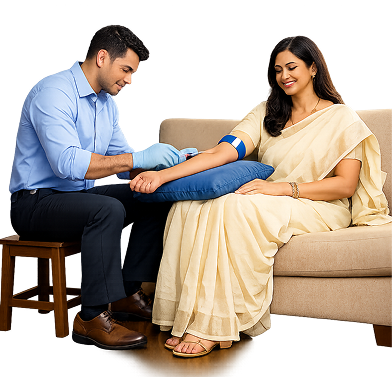
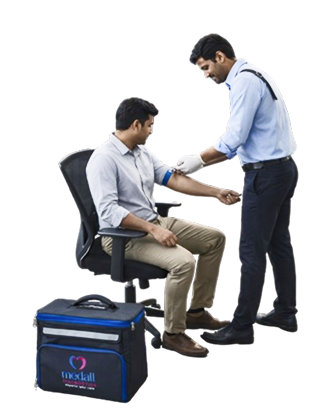
Book once, we handle the rest. Our certified phlebotomist arrives at your doorstep — your report is delivered within 24 hours.
Trusted by millions of Customers across South India — these are the tests our doctors recommend most.
Screens for anaemia, infections, and immune health