




HbA1c vs Blood Sugar Test: Which One Is Better for Diabetes Diagnosis?
- HbA1c
- Blood sugar
- Diabetes
- Fasting blood sugar
- Prediabetes
- Preventive care
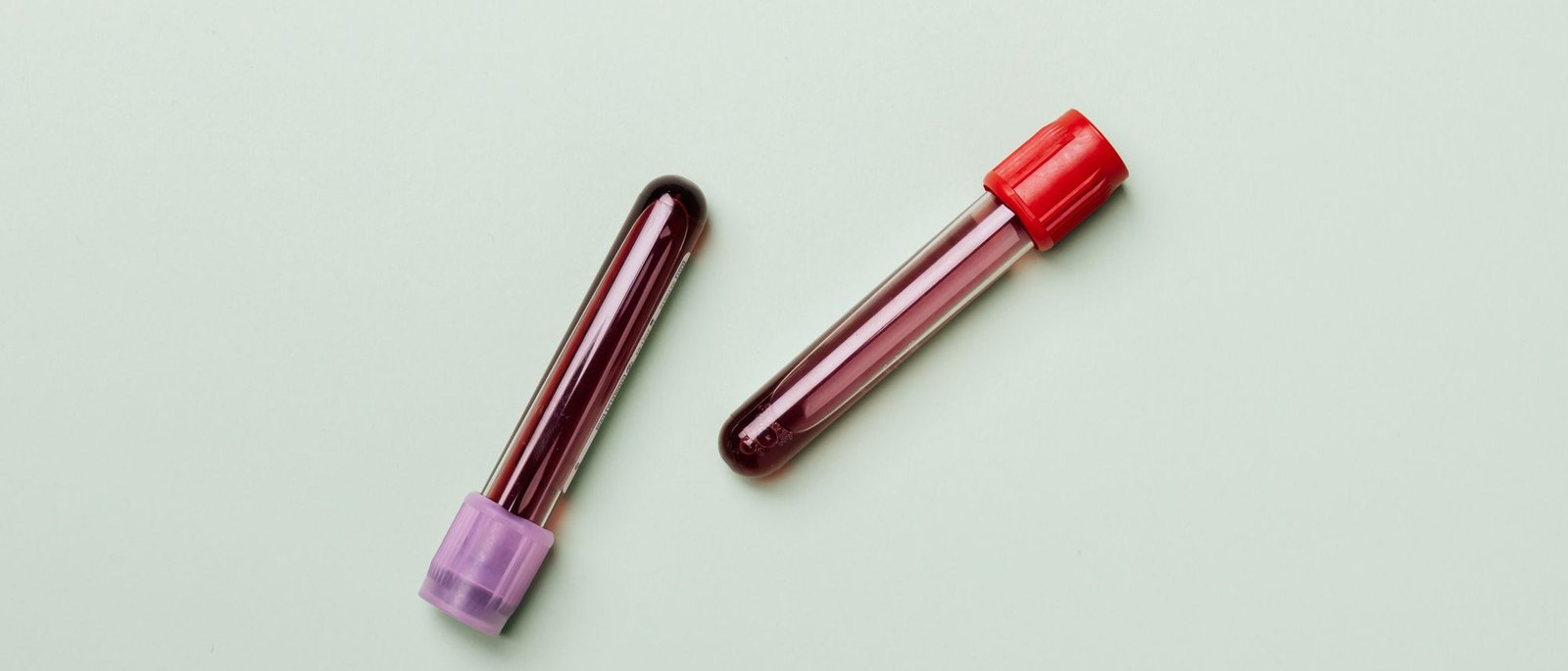
HbA1c and blood sugar tests are two commonly recommended tests for detecting diabetes and identifying changes in blood glucose levels. Although both measure blood sugar, they provide different information. An HbA1c test shows average blood glucose levels over the past two to three months, while a blood sugar test measures glucose levels at the time the sample is collected.
Diabetes is a growing health concern in India, making early detection and regular screening increasingly important. According to the ICMR-INDIAB national study published in The Lancet Diabetes & Endocrinology in 2023, an estimated 101 million people in India were living with diabetes, while another 136 million had prediabetes, based on the study's 2021 estimates. These findings highlight why regular blood glucose screening matters, particularly for individuals with diabetes risk factors.
So, which test is better for diabetes diagnosis? Understanding how HbA1c and blood sugar tests work, what their results indicate and when doctors recommend them can help individuals make informed decisions about preventive healthcare.
What Is an HbA1c Test and What Does It Detect?
An HbA1c test, also called a glycated haemoglobin test, measures the percentage of haemoglobin in red blood cells that has glucose attached to it.
Haemoglobin is a protein in red blood cells that carries oxygen throughout the body. When glucose circulates in the bloodstream, some of it attaches to haemoglobin. Since red blood cells generally live for around three months, measuring this attachment helps estimate average blood glucose levels over the past two to three months.
Unlike a regular blood sugar test, HbA1c is not significantly affected by what a person ate immediately before the test. According to the Centers for Disease Control and Prevention (CDC), the HbA1c test provides an estimate of average blood sugar levels over the previous three months.
Why Is the HbA1c Test Recommended?
Doctors recommend HbA1c testing for several reasons:
- Diabetes screening: Helps identify people who may have diabetes without experiencing noticeable symptoms.
- Prediabetes detection: Identifies blood glucose levels that are higher than normal but have not reached the diabetes range.
- Long-term glucose assessment: Shows whether blood sugar has remained elevated over several months.
- Diabetes monitoring: Helps doctors assess how well a patient's blood sugar is being managed over time.
What Are the Normal HbA1c Levels?
HbA1c results are reported as percentages. The following ranges are commonly used to identify normal glucose levels, prediabetes and diabetes in non-pregnant adults.
| HbA1c result | Interpretation |
|---|---|
| Below 5.7% | Normal |
| 5.7% to 6.4% | Prediabetes |
| 6.5% or higher | Diabetes range |
An HbA1c result of 6.5% or higher indicates the diabetes diagnostic threshold. If a person does not have clear symptoms, the result generally needs confirmation through repeat testing.
What Is a Blood Sugar Test and What Does It Detect?
A blood sugar test measures the amount of glucose present in the blood at a particular time. Glucose is the body's main source of energy, and insulin helps move glucose from the bloodstream into cells. When the body does not produce enough insulin or cannot use it effectively, glucose can build up in the blood. Blood sugar testing helps identify these elevated levels.
Depending on the individual's symptoms and medical history, doctors may recommend different types of blood glucose tests.
What Are the Different Types of Blood Sugar Tests?
1. Fasting Blood Sugar Test (FBS)
A fasting blood sugar test measures glucose levels after a person has not consumed any calories for at least eight hours. It is usually performed in the morning before breakfast.
This test helps identify elevated fasting glucose levels and is commonly used for diabetes screening and diagnosis.
2. Postprandial Blood Sugar Test (PPBS)
A postprandial blood sugar test measures glucose levels approximately two hours after a meal. It helps assess how the body responds to food and regulates blood glucose after eating.
3. Random Blood Sugar Test (RBS)
A random blood sugar test measures glucose levels at any time of the day, regardless of when the person last ate.
It is particularly useful when someone experiences symptoms such as excessive thirst, frequent urination or unexplained weight loss. A random plasma glucose level of 200 mg/dL or higher, along with classic symptoms of diabetes, can meet the diagnostic criteria.
4. Oral Glucose Tolerance Test (OGTT)
An oral glucose tolerance test checks how the body processes glucose after consuming a drink containing a measured amount of sugar.
Blood glucose is measured before and two hours after consuming the drink. This test helps identify diabetes and prediabetes and is also used in pregnancy-related glucose screening.
HbA1c vs Blood Sugar Test: What Is the Difference?
The main difference between HbA1c and blood sugar tests is the period they assess. HbA1c provides an estimate of average glucose levels over several months, whereas blood sugar tests show glucose levels at specific points in time.
The following table highlights their differences.
| Comparison | HbA1c Test | Blood Sugar Test |
|---|---|---|
| What it measures | Average blood glucose over 2–3 months | Blood glucose at a particular time |
| Fasting required | No | Depends on the test |
| Results reported in | Percentage (%) | mg/dL |
| Effect of recent meals | Not significantly affected by an individual meal | Can be affected by food intake |
| Main purpose | Long-term glucose assessment and diabetes screening | Current glucose assessment and diabetes screening |
| Common applications | Diabetes diagnosis and monitoring | Diabetes diagnosis and glucose assessment |
Both tests provide useful information, but neither gives the complete picture in every situation.
Which Test Is Better for Diabetes Diagnosis?
Neither HbA1c nor blood sugar testing is universally better for diagnosing diabetes. Both are accepted diagnostic methods, and doctors recommend them based on an individual's symptoms, medical history and health conditions.
An HbA1c test is useful for routine screening as it measures average blood glucose levels over two to three months without requiring fasting. It is commonly recommended for people with diabetes risk factors or suspected prediabetes. However, conditions such as anaemia, haemoglobin disorders and pregnancy may affect its accuracy.
Blood sugar tests are more useful for assessing current glucose levels and investigating symptoms such as excessive thirst and frequent urination. Depending on the situation, doctors may recommend fasting, random or post-meal glucose tests, particularly during pregnancy or when HbA1c results may be unreliable.
Why Do Doctors Sometimes Recommend Both Tests?
Doctors may recommend both HbA1c and fasting blood sugar tests because they measure different aspects of glucose regulation. For example, a person may have a fasting blood sugar result within the normal range but an elevated HbA1c level. This can happen when glucose levels rise at other times of the day.
Comparing both results can help doctors understand the patient's glucose profile and decide whether further testing is necessary.
What Do Blood Sugar Test Results Mean?
Understanding blood glucose values helps identify whether the results fall within the normal, prediabetes or diabetes range.
The following are commonly used diagnostic ranges for non-pregnant adults.
| Test | Normal | Prediabetes | Diabetes |
|---|---|---|---|
| HbA1c | Below 5.7% | 5.7%–6.4% | 6.5% or higher |
| Fasting Blood Sugar | Below 100 mg/dL | 100–125 mg/dL | 126 mg/dL or higher |
| 2-hour OGTT | Below 140 mg/dL | 140–199 mg/dL | 200 mg/dL or higher |
These values are based on recognised diabetes diagnostic guidelines, including those outlined by the American Diabetes Association. An abnormal result does not always mean a person has diabetes. Unless there is clear evidence of high blood glucose with typical symptoms, doctors generally require a second abnormal test to confirm the diagnosis.
Who Should Consider Regular Diabetes Screening?
Diabetes screening is particularly important for individuals with certain risk factors.
You may need regular testing if you:
- Have a family history of diabetes.
- Are overweight or physically inactive.
- Have previously been diagnosed with prediabetes.
- Have high blood pressure or abnormal cholesterol levels.
- Have a history of gestational diabetes.
- Experience symptoms such as frequent urination, increased thirst or unexplained weight loss.
Screening frequency depends on individual risk. People with normal results may not need testing every year, while those with prediabetes or other risk factors may need more frequent monitoring. People with diabetes require a separate monitoring schedule based on their treatment plan. Consult a healthcare professional to determine which tests are appropriate and how often you should get them.
Understanding the difference between HbA1c and blood sugar tests helps individuals make informed decisions about diabetes screening and preventive healthcare. Including appropriate blood tests in regular health checkups can help identify changes early and support better long-term health management. Medall Diagnostics offers HbA1c, fasting blood sugar and related glucose tests to support individuals in monitoring their health and identifying potential concerns. Take a proactive step towards better health by booking your annual health checkup or visiting your nearest Medall Diagnostics centre.
Frequently Asked Questions
1. Can HbA1c detect diabetes without fasting?
Yes. An HbA1c test does not require fasting because it measures the percentage of glucose attached to haemoglobin over the past two to three months. It can be performed at any time of the day.
2. Can fasting blood sugar be normal while HbA1c is high?
Yes. Fasting blood sugar measures glucose at one specific time, whereas HbA1c estimates average glucose levels over several months. A person may have normal fasting glucose but elevated blood sugar at other times of the day.
3. What HbA1c level indicates diabetes?
An HbA1c level of 6.5% or higher falls within the diabetes range. In people without clear symptoms, a repeat abnormal result is generally required to confirm the diagnosis.
4. Is HbA1c better than a fasting blood sugar test?
Neither test is universally better. HbA1c provides information about long-term glucose levels without requiring fasting, while fasting blood sugar measures glucose after an overnight fast. Doctors select the appropriate test based on individual health conditions.
5. How often should I get an HbA1c test?
People without diabetes should follow screening recommendations based on their age and risk factors. Those with prediabetes may need testing at least annually or as advised by their doctor. People with diabetes generally need HbA1c testing at least twice a year, depending on how well their glucose levels are controlled.
Ready to book a test?
Explore lab tests, packages, and home collection.
Related articles
- Preventive careWhat is Full Body Health Checkup: Which Tests Should You Include in Your Annual Screening?Read article →
- Preventive care10 Blood Tests Every Adult Should Consider Once a YearRead article →
- Preventive careWorld Heart Day 2026: Are You Giving Your Heart the Check-Up It Deserves?Read article →